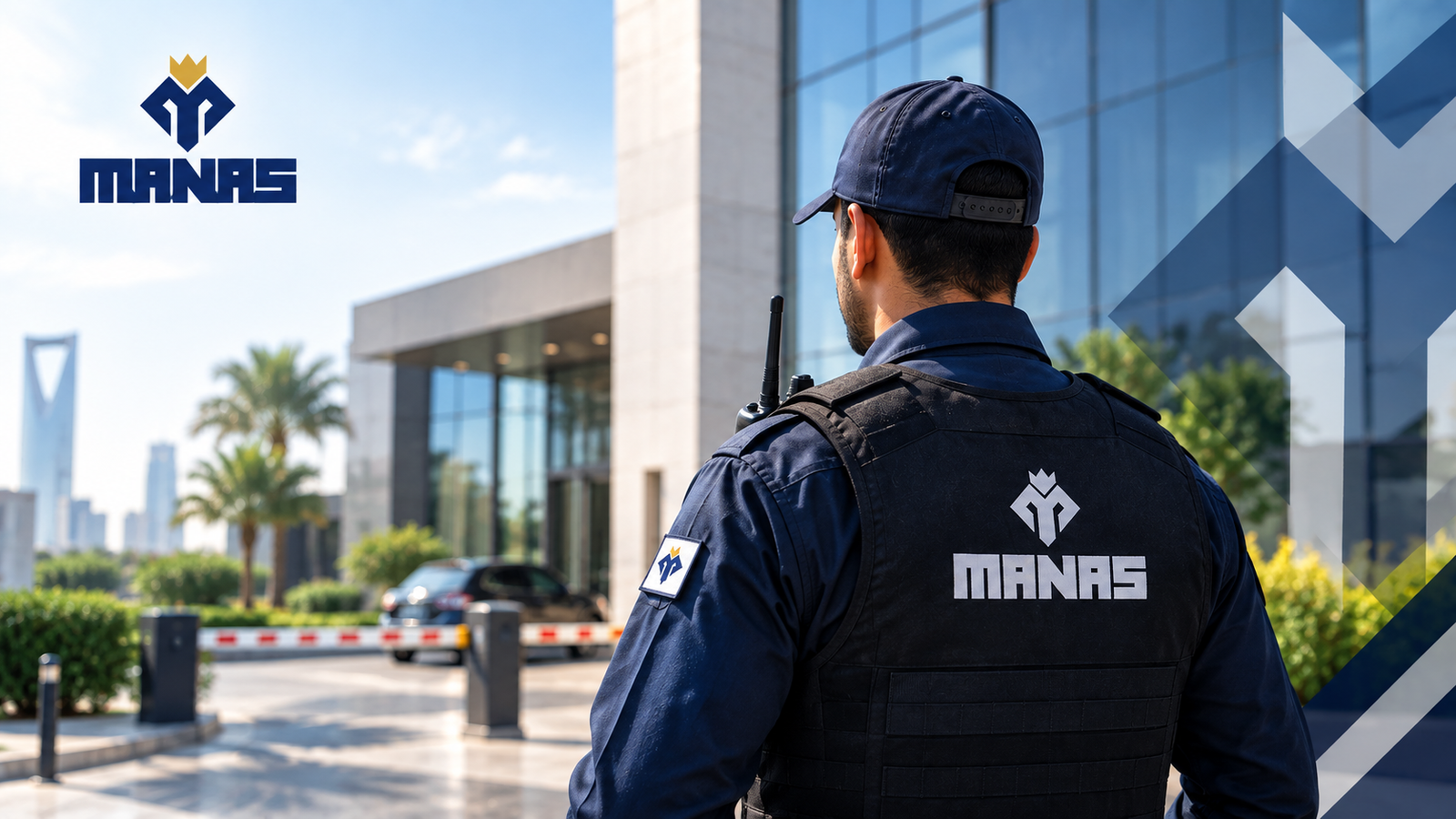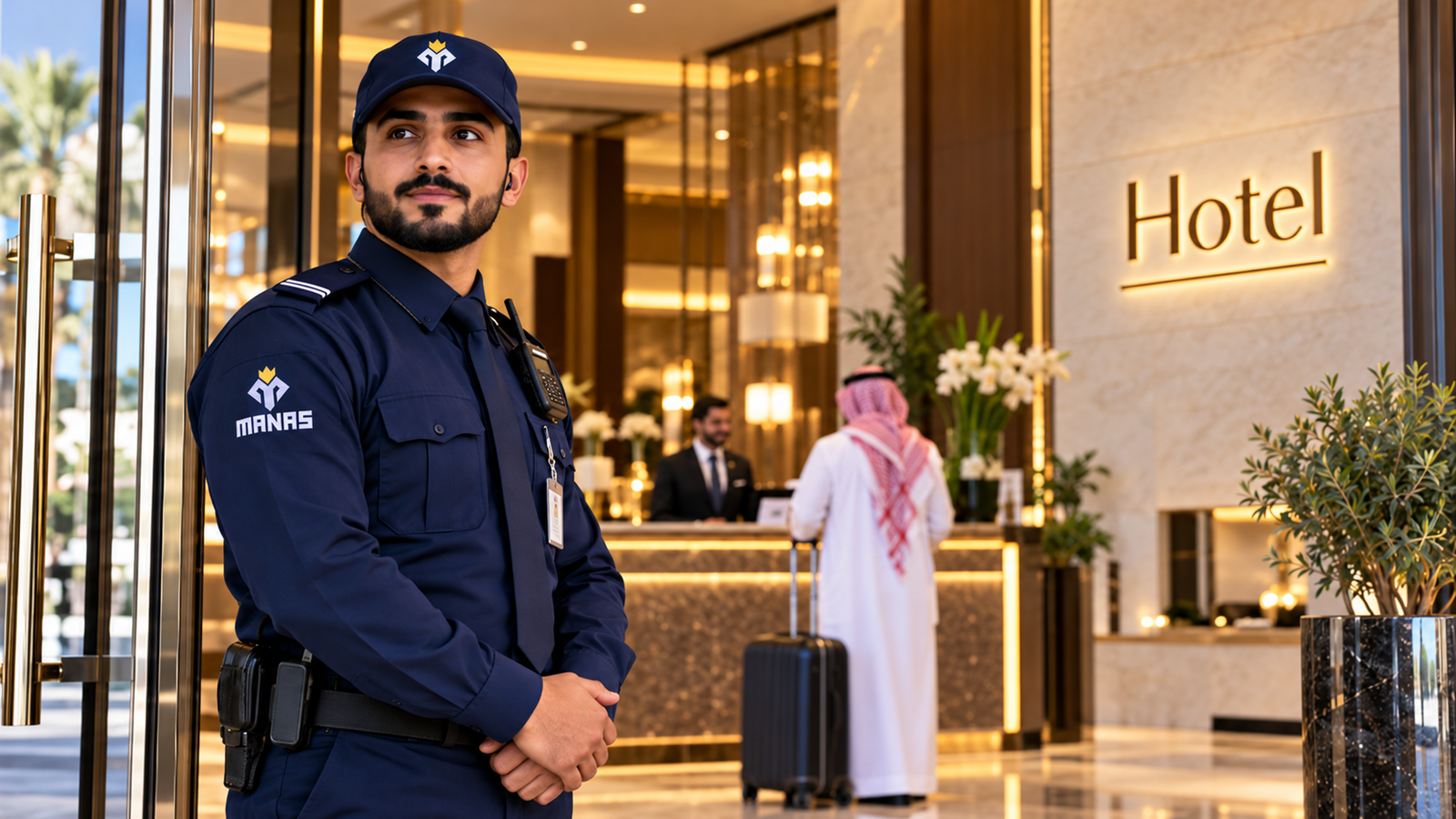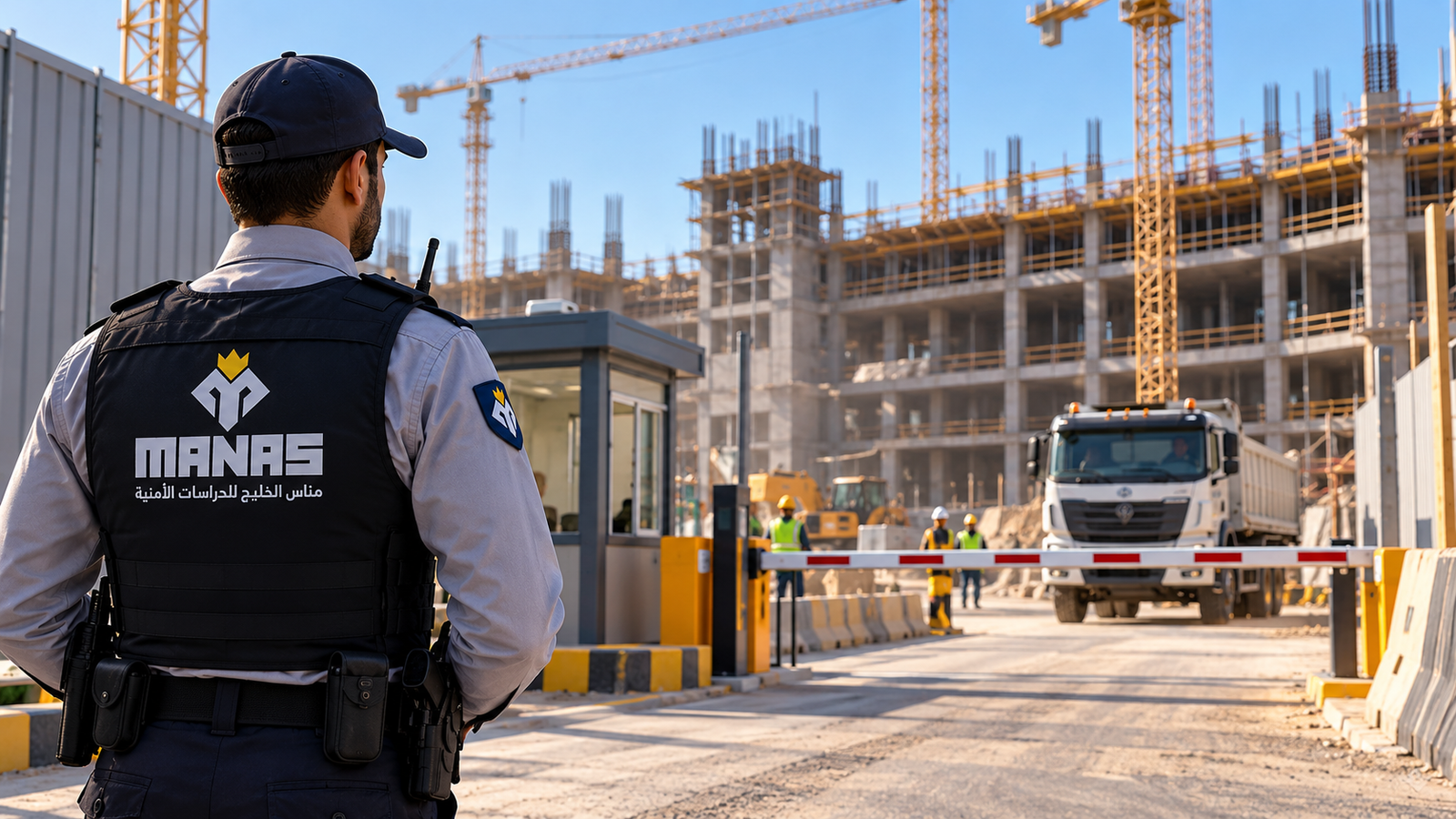

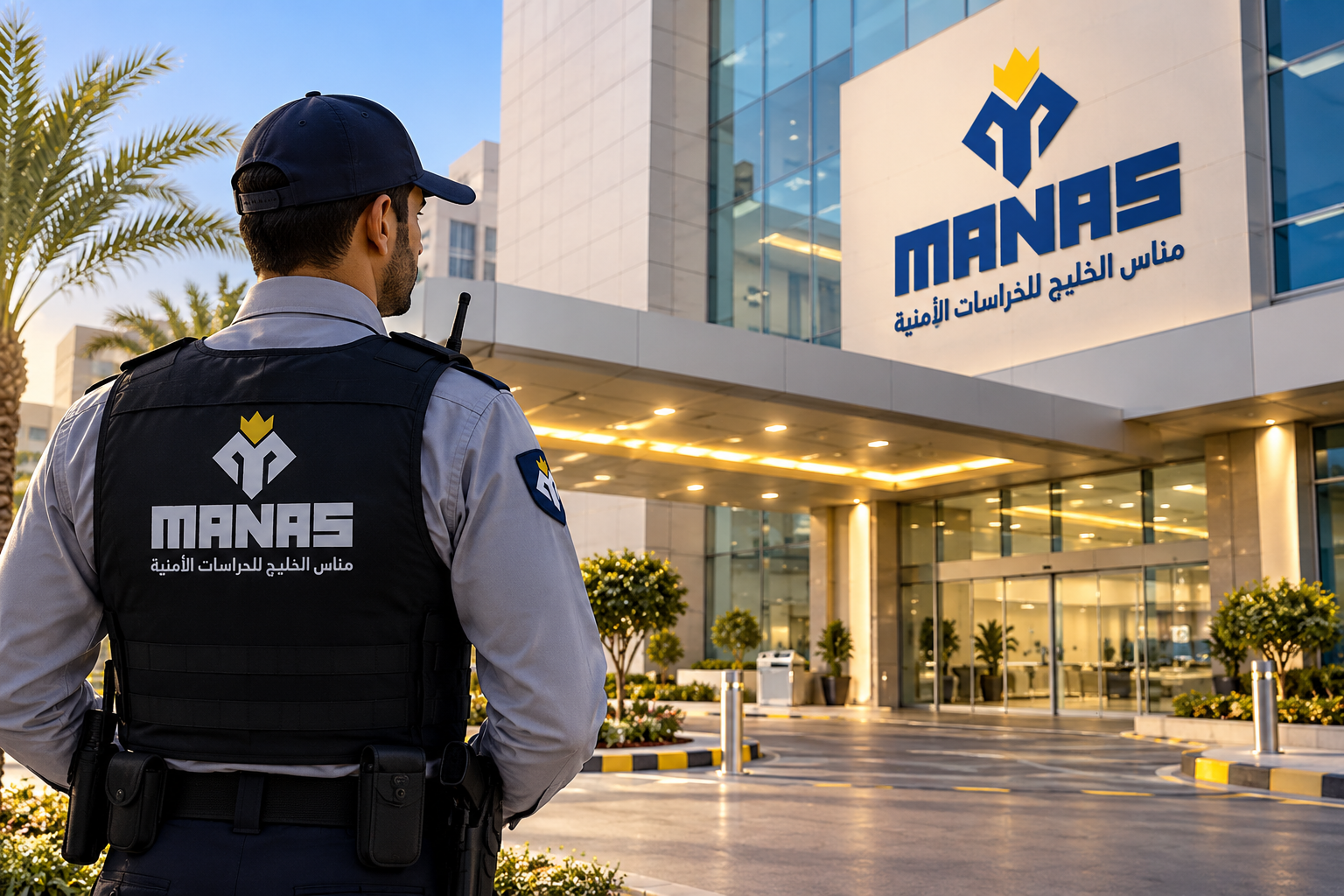
Hospital and Medical Center Security Services: Protecting Healthcare Environments
Hospitals and medical centers are essential facilities that require high standards of security, organization, and operational readiness. Their daily activities involve continuous interaction between patients, visitors, healthcare professionals, administrative staff, and service providers.
Security services in healthcare facilities go beyond protecting buildings and assets. They play an important role in managing access, supporting the safety of patients and employees, and maintaining an organized environment where medical professionals can perform their duties effectively.
The Importance of Security Services in Healthcare Facilities
Hospitals face unique security and operational challenges due to continuous visitor movement, multiple access points, sensitive departments, and the need to maintain patient privacy.
Professional security guarding services contribute to:
Managing patient, visitor, and employee movement.
Monitoring entrances and exits.
Protecting facilities, equipment, and property.
Preventing unauthorized access to restricted areas.
Supporting vehicle and parking management.
Assisting with crowd control and emergency procedures.
Access Control and Visitor Management
Managing access is one of the most important responsibilities of hospital security personnel.
Security officers help organize visitor movement, direct patients and visitors to appropriate departments, and monitor restricted access points according to facility policies.
Their responsibilities must be carried out professionally while ensuring that security procedures do not unnecessarily delay access to essential healthcare services.
Protecting Sensitive Medical Areas
Healthcare facilities contain sensitive areas that require additional security measures, including medical supply storage rooms, equipment facilities, administrative offices, and restricted departments.
Organized security procedures help protect these areas, reduce unauthorized access, and support patient privacy and information confidentiality.
Supporting Emergency Response
Healthcare facilities may experience unexpected situations that require immediate coordination, including security incidents, sudden overcrowding, and emergency evacuation procedures.
Security personnel support these situations by following approved emergency plans, notifying responsible teams, managing movement, and assisting authorized emergency personnel within their assigned responsibilities.
Training and Professional Conduct
Hospital security personnel require specialized interpersonal and operational skills.
Important competencies include:
Professional communication with patients and visitors.
Calm and respectful behavior.
Knowledge of site-specific security procedures.
Awareness of privacy and confidentiality requirements.
Effective incident reporting.
Coordination with hospital management and emergency teams.
The Importance of Supervision and Monitoring
Consistent supervision is essential for maintaining the quality of healthcare security services.
Regular monitoring of security posts, organized shift schedules, incident reporting, and performance evaluations help maintain discipline and identify opportunities for operational improvement.
Manas Gulf Security Services
Manas Gulf Security Services provides professional security guarding solutions for facilities and organizations across Saudi Arabia.
The company focuses on understanding each facility's operational requirements, establishing appropriate security arrangements, and supporting service quality through planning, qualified personnel, and effective supervision.
Looking for professional security services for your hospital or medical center?
Contact Manas Gulf Security Services to discuss your facility's security requirements and request a tailored service proposal.
Website: https://manas-sa.com
Phone: 0555774806