

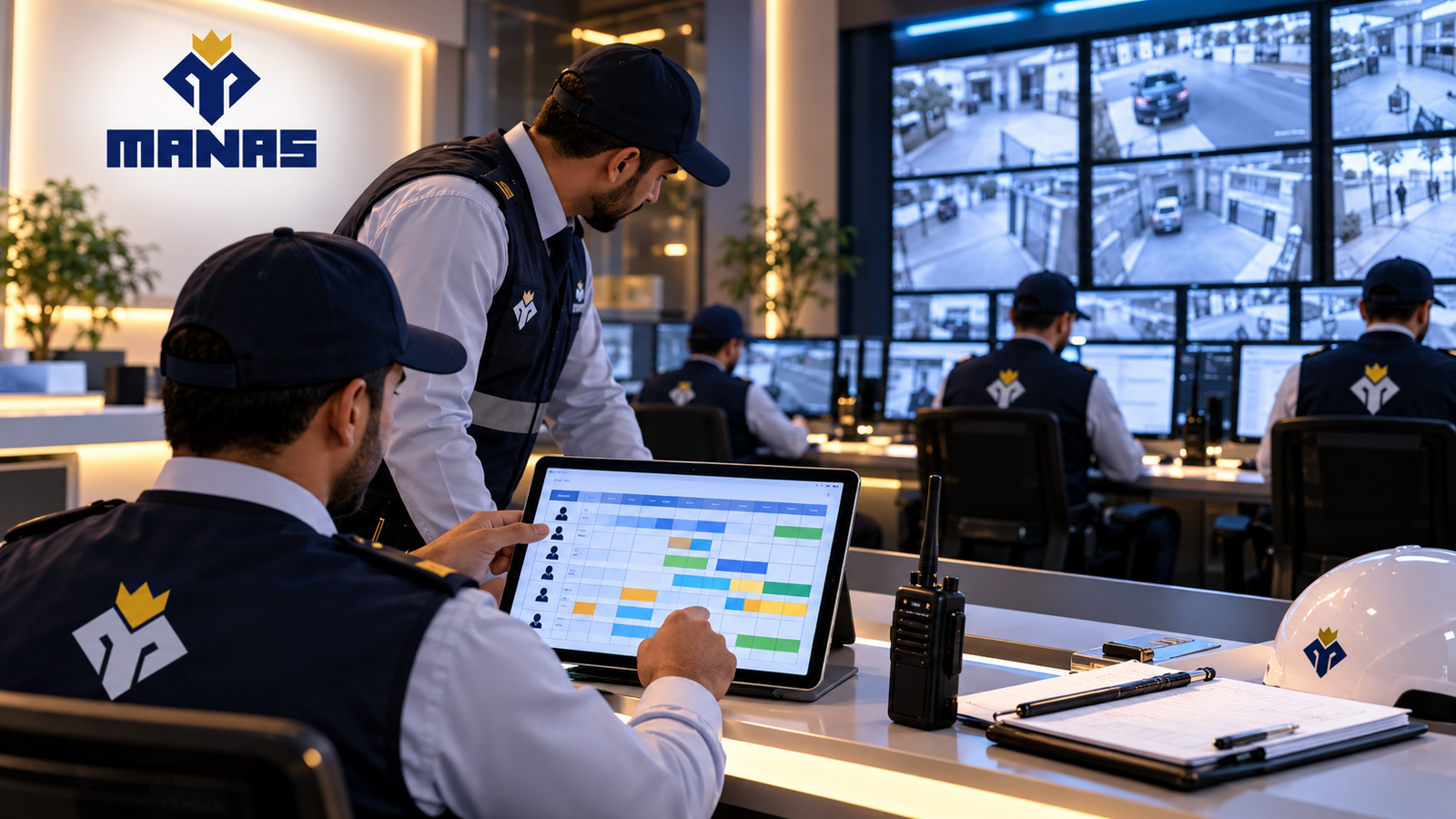
The Importance of Security Shift Management
Effective shift management is the cornerstone of a successful security strategy. Ensuring that personnel are present at their posts without interruption enhances a facility's ability to mitigate potential risks, requiring careful planning that balances performance efficiency with guard well-being.
Strategies for Guard Deployment
Guards are deployed based on a precise analysis of site requirements, considering peak hours and sensitive areas. Deployment goes beyond physical presence; it includes assigning tasks and responsibilities to ensure comprehensive coverage of all entry points, exits, and vital facilities.
Shift Handover Procedures
The handover process is a critical security moment. It must follow a standardized protocol including:
Reviewing the status of security equipment.
Exchanging information regarding any incidents during the previous shift.
Accurate documentation in logbooks to ensure continuity of information.
The Role of the Security Supervisor
The security supervisor is responsible for ensuring discipline, monitoring attendance, and intervening quickly to address unexpected absences through pre-prepared contingency plans, ensuring no security gaps occur due to staffing shortages.
Communication and Reporting
Continuous coverage depends on the efficiency of communication channels. Utilizing periodic reports and real-time communication between shifts helps build a security database that aids in proactive decision-making.
Avoiding Operational Errors
Common mistakes include poor communication between shifts or lax handover procedures. To avoid this, at Manas Al Khaleej, we focus on continuous training and the implementation of strict field supervision standards.
Do you need integrated security solutions that ensure the continuous protection of your facility? Contact Manas Al Khaleej Security Services today to design a customized security plan.