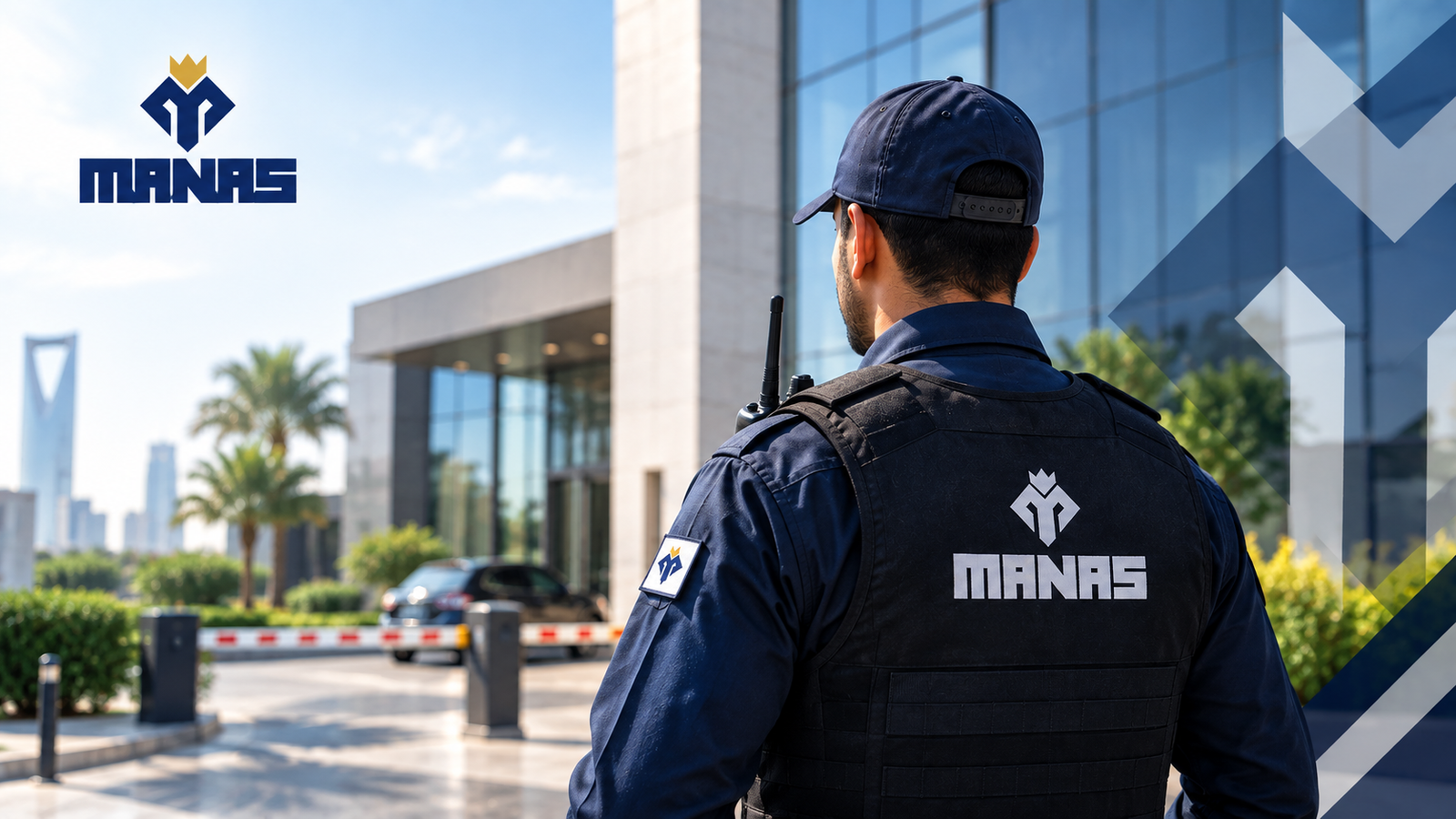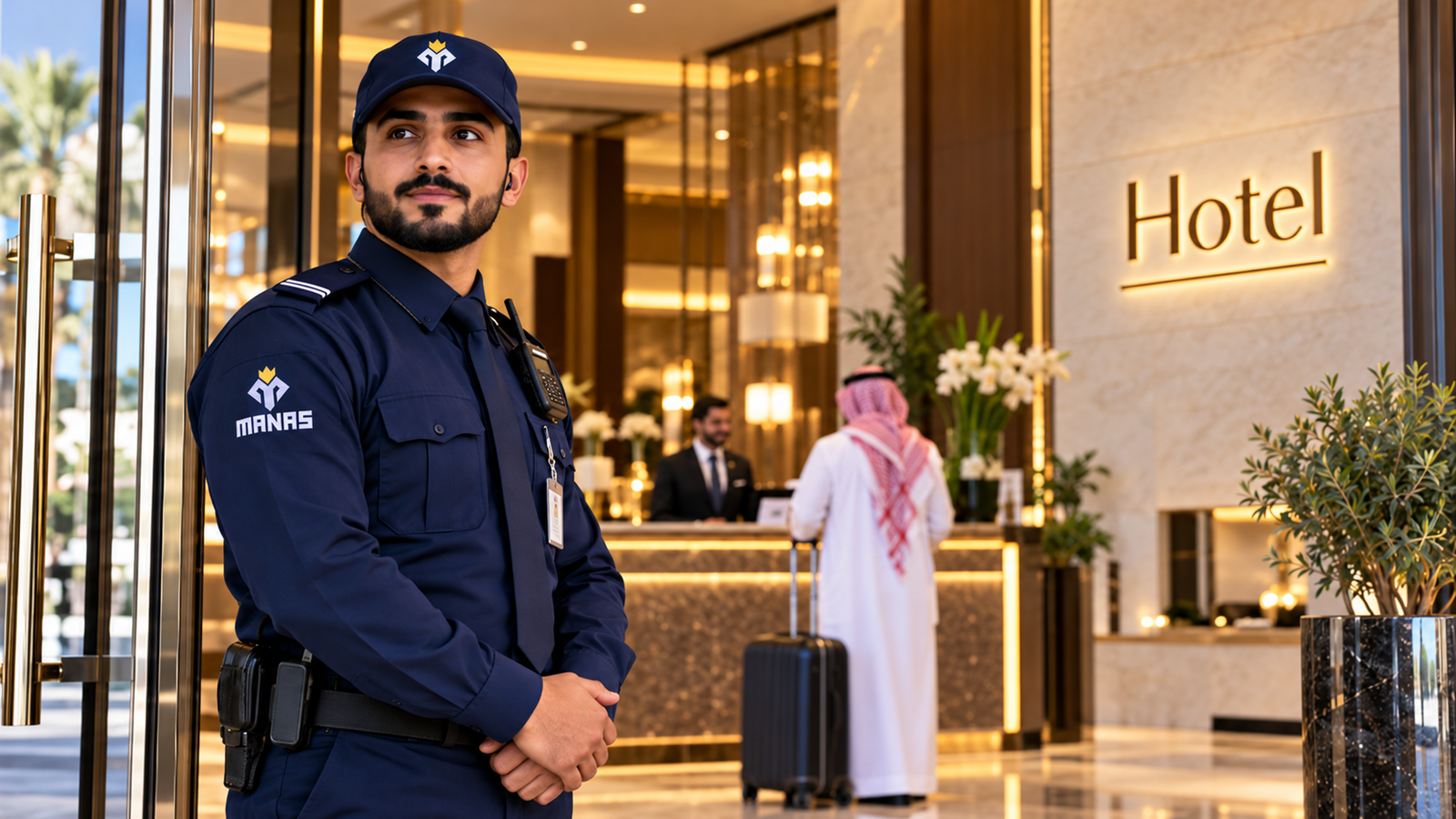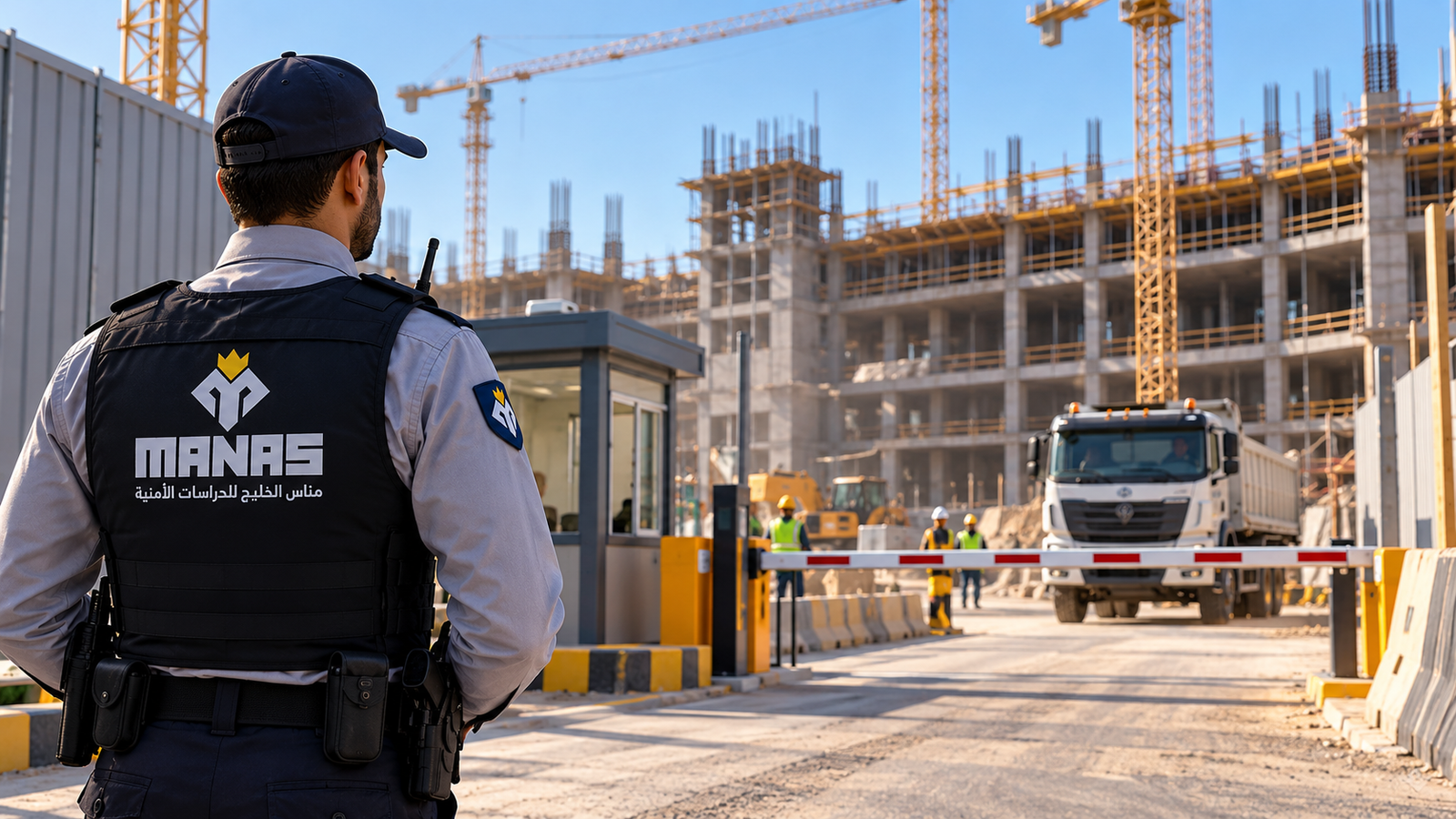

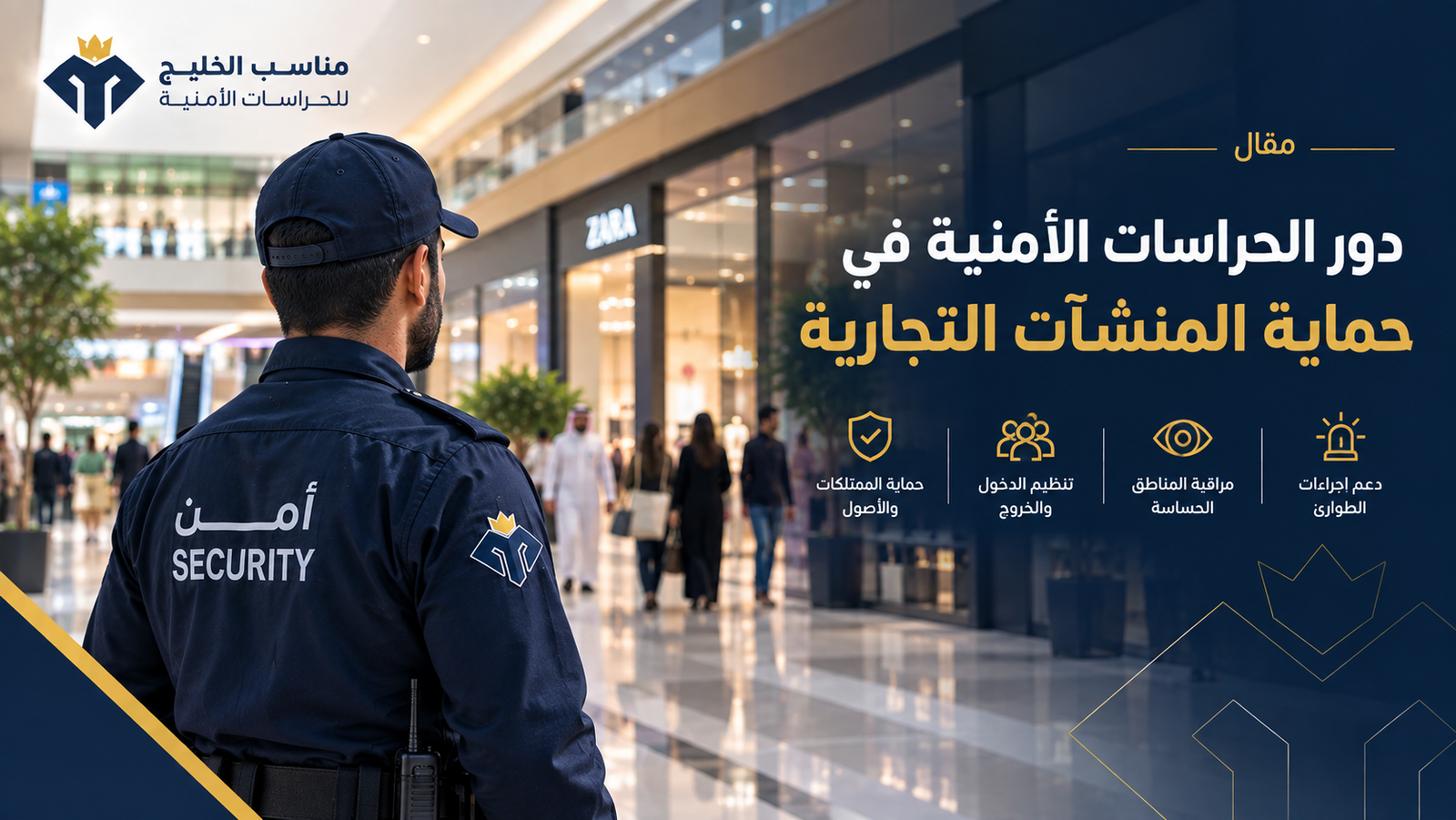
Security guards do more than monitor entrances and exits. Their duties include preventing risks, organizing movement, identifying security concerns, and responding to emergencies under approved procedures.
Why Are Security Guards Important for Commercial Facilities?
Commercial facilities experience high foot traffic involving employees, customers, suppliers, and other visitors. They need continuous security arrangements suited to their size and activity.
Security guard services help to:
- Protect property and assets.
- Organize the entry and exit of people and vehicles.
- Monitor entrances and sensitive areas.
- Identify security risks and observations.
- Support emergency procedures.
- Maintain order within the facility.
- Improve employees' and visitors' sense of safety.
1. Organizing Entrances and Exits
Entrances and exits require careful organization and regular monitoring. Under facility procedures, guards monitor access, organize the movement of visitors and suppliers, verify permits when required, and oversee vehicles in designated areas.
This helps reduce congestion and improve control of movement within the premises.
2. Protecting Property and Assets
Commercial premises contain valuable equipment, inventory, fittings, and facilities. On-site guards help monitor these assets, identify unusual circumstances, and report them to management under established procedures.
3. Monitoring Sensitive Areas
Not every area presents the same level of security sensitivity. Service rooms, warehouses, loading bays, staff entrances, and employee facilities may need additional access restrictions.
Security posts and duties should therefore be allocated according to the site's characteristics.
4. Managing High Visitor Volumes
Security organization is particularly important during shopping seasons, promotions, exhibitions, and special events when visitor numbers increase.
An organized security team helps manage movement and respond to situations that could disrupt the flow of visitors.
5. Responding to Emergencies
Commercial facilities may experience different emergencies. Guards should know site-specific procedures and how to respond appropriately.
Their duties may include notifying responsible personnel, organizing the area, guiding people in accordance with the emergency plan, and coordinating with the relevant authorities when needed.
Note: In emergencies, security personnel operate within their assigned authority, site procedures, and the instructions of competent authorities. They do not replace government agencies or specialized emergency teams.
6. The Importance of Supervision and Monitoring
The presence of guards alone does not guarantee quality. Continuous supervision helps verify compliance with tasks and instructions, review observations, and monitor guard performance.
Regular reports also help facility management identify concerns and take appropriate action.
7. Security and the Visitor Experience
A guard is often among the first people a visitor meets. Professional conduct, courtesy, and communication are therefore important alongside security vigilance.
The objective is to balance effective security procedures with a positive visitor experience.
8. Why Do Security Requirements Vary Between Commercial Facilities?
A large shopping mall does not have the same needs as a standalone store, and a high-footfall site differs from a smaller facility.
Important considerations include:
- Facility size.
- Number of entrances and exits.
- Visitor and employee numbers.
- Operating hours.
- Type of business.
- Vehicle movement.
- Sensitive areas.
- Events or seasons with high attendance.
These factors shape the operational security plan.
How Does a Security Company Protect a Facility?
Effective service begins by understanding site requirements, specifying duties and guard posts, and establishing supervision and monitoring procedures.
Clear communication channels between guards and facility management and reliable methods for reporting and handling observations turn guarding into part of an integrated security framework.
Manas Gulf Security
Manas Gulf Security provides guarding, facility protection, supervision, monitoring, crowd management, event security, and related security solutions.
Effectiveness depends on understanding each site's particular needs, deploying qualified personnel, and applying clear operational and supervisory arrangements.
Conclusion
Security guards play a major role in protecting commercial facilities through access management, site monitoring, asset protection, issue reporting, and emergency support.
Good planning, training, and ongoing supervision make security services better able to meet each facility's needs and maintain a safe, orderly environment for staff and visitors.